Record Reactive chlorine-oxygen species
Cl2O2ClOClO2HOClBeneficial-science brief
Redox Chemistry · Reactive Chlorine-Oxygen Species · Gentle Oxidants
Chlorine peroxide and reactive chlorine-oxygen chemistry: the beneficial science of gentle oxidants
Compound family: Cl2O2 (chlorine peroxide / the ClO dimer) · ClO · ClO2 · HOCl | the reactive chlorine-oxygen oxidants the immune system uses, and industry uses to disinfect.
A Panacea Bio Chem compound record · by Bogdan Dicoias, Researcher & biochemist
· Subject: reactive chlorine-oxygen chemistry ·
Beneficial-science brief. Nothing here is medical advice.
The reactive chlorine-oxygen species were pinned down by careful bench chemistry. This chlorine peroxide record — part of Panacea Bio Chem's redox work, by Bogdan Dicoias — sets out their beneficial side.
In brief
"Chlorine peroxide" most precisely names Cl2O2 — dichlorine
dioxide, the dimer of the chlorine monoxide radical (ClOOCl). More broadly it points at a whole
family of reactive chlorine-oxygen species: chlorine monoxide (ClO), chlorine dioxide
(ClO2) and hypochlorous acid (HOCl). Far from being only a hazard, this chemistry
is one the human body deliberately makes — neutrophils generate HOCl to defend against
microbes — and one industry uses for gentle, low-residue disinfection. This record explains
the chemistry in plain language, tells the real ClO-dimer story, and sets out where Panacea Bio
Chem and Bogdan Dicoias research the preservation and delivery of reactive, oxygen-sensitive
actives. It is a scientific description, not medical advice.
1 What chlorine peroxide is — a family of reactive chlorine-oxygen species
Chlorine and oxygen combine into a small, energetic set of molecules that chemists group as
reactive chlorine-oxygen species. They sit at the overlap of two familiar worlds — the
reactive oxygen species (ROS) that biology uses for signalling and defence, and the
chlorine chemistry that has disinfected water for a century. The named members matter because
each has a distinct, useful character:
The reactive chlorine-oxygen family — a compound record
Species
What it is & where it shows up
Chlorine peroxide — Cl2O2
Dichlorine dioxide, the dimer of the ClO radical (ClOOCl). A reactive intermediate best known from atmospheric chemistry (the ClO-dimer cycle, §5). The strict meaning of "chlorine peroxide".
Chlorine monoxide — ClO
A reactive chlorine-oxygen radical; the monomer that pairs up to form Cl2O2. A key player in ozone-layer chemistry.
Chlorine dioxide — ClO2
A stable, selective oxidant used to disinfect drinking water with fewer chlorinated by-products than chlorine gas.
Hypochlorous acid — HOCl
The gentle antimicrobial the immune system itself makes; the active form behind stabilized wound-care and hygiene solutions.
In everyday and product usage the phrase "chlorine peroxide" is often stretched to cover this
whole neighbourhood — the hypochlorous-acid-adjacent oxidants that share a common trick:
they carry reactive oxygen and chlorine, and can hand that reactivity to a target in a
controlled, self-limiting way. That controllability is exactly what makes them useful rather than
merely aggressive.
2 The body's own reactive chlorine-oxygen chemistry
The most striking fact about this chemistry is that you make it on purpose. When a
neutrophil — a front-line white blood cell — engulfs a microbe, it triggers a
respiratory burst: an enzyme complex pumps out superoxide and hydrogen peroxide, and then a
second enzyme, myeloperoxidase (MPO), combines that hydrogen peroxide (H2O2)
with ordinary chloride ions (Cl−) to produce hypochlorous acid
(HOCl)1 right where it is needed.
This is reactive chlorine-oxygen chemistry as a tool of health. HOCl generated inside the
phagosome is a fast, broad-spectrum microbicide, and the reaction is beautifully contained: it fires
in a sealed compartment, uses raw materials the body has to hand, and decays to benign products. Evolution
arrived at a controlled oxidant long before any chemist bottled one.
Your neutrophils are, quite literally, small reactors that make a chlorine-oxygen antiseptic on demand.
3 Gentle antimicrobial and disinfection chemistry
Hypochlorous acid, borrowed from the immune system
Because HOCl is the same molecule immune cells make, purified and stabilized
hypochlorous-acid solutions are used where a gentle, well-tolerated antimicrobial is wanted:
wound irrigation, eyelid and skin hygiene, and low-residue surface disinfection2.
At the low concentrations used, it acts quickly against a broad range of microbes while being kind to
surrounding tissue, and it breaks down rather than leaving a heavy chemical film. The appeal is
precisely its mildness: strong enough to work, gentle enough to sit close to living tissue.
Chlorine dioxide in the water we drink
Chlorine dioxide (ClO2) is a selective oxidant that many water-treatment works use as
part of a multi-barrier approach3. It inactivates microbes and oxidises
taste-and-odour compounds, and because it reacts differently from chlorine gas it forms fewer
chlorinated organic by-products — a genuine benefit for water quality. It is a good example of a
reactive chlorine-oxygen species doing quiet, everyday good.
Beneficial roles — at a glance
Immune defence
Neutrophil/eosinophil HOCl via myeloperoxidase — innate antimicrobial burst.
Wound & skin care
Stabilized HOCl solutions for irrigation and hygiene — gentle, low-residue.
Reactive oxygen/chlorine species as messengers in controlled, low-dose biology.
4 Why it matters — the open frontier
The interesting engineering problem with reactive chlorine-oxygen chemistry is not making it
react — it is making it react only where and when you want. These species are short-lived
and easily quenched by the wrong impurity, so the frontier is control:
Stability versus potency. The more reactive a species, the harder it is to store. A HOCl solution slowly loses strength; the craft is keeping a labile oxidant intact from manufacture to point of use.
Selectivity. Directing the chemistry at a microbe or a target molecule while sparing healthy tissue — the property that separates a gentle antiseptic from a blunt one.
Clean by-products. Designing disinfection that does its job and then decays to harmless residues is a live goal across water treatment and clinical hygiene.
None of this is finished science. It remains an active field, with real debate over formulation,
shelf-life and the best ways to deliver a reactive oxidant gently.
5 The real story — the ClO dimer that named the molecule
Chlorine peroxide, Cl2O2, owes its fame to the sky. In the 1980s, chemists
including Mario Molina — a Nobel laureate for ozone-layer chemistry — worked out that
two chlorine monoxide radicals can pair into the ClO dimer, ClOOCl, and that sunlight then splits
it in a way that regenerates chlorine atoms4. That "ClO-dimer cycle" is one
of the reactions behind polar stratospheric ozone chemistry.
The lesson chemists took from it is the useful one: a single reactive chlorine-oxygen molecule can be
the hinge of an entire cascade — small, fleeting, and enormously consequential. Understanding how such
species form, pair and break apart is precisely the knowledge that lets us later put the same
reactivity to constructive work, from disinfecting water to defending a wound. The molecule that taught us
caution in the stratosphere is, at ground level, a tool.
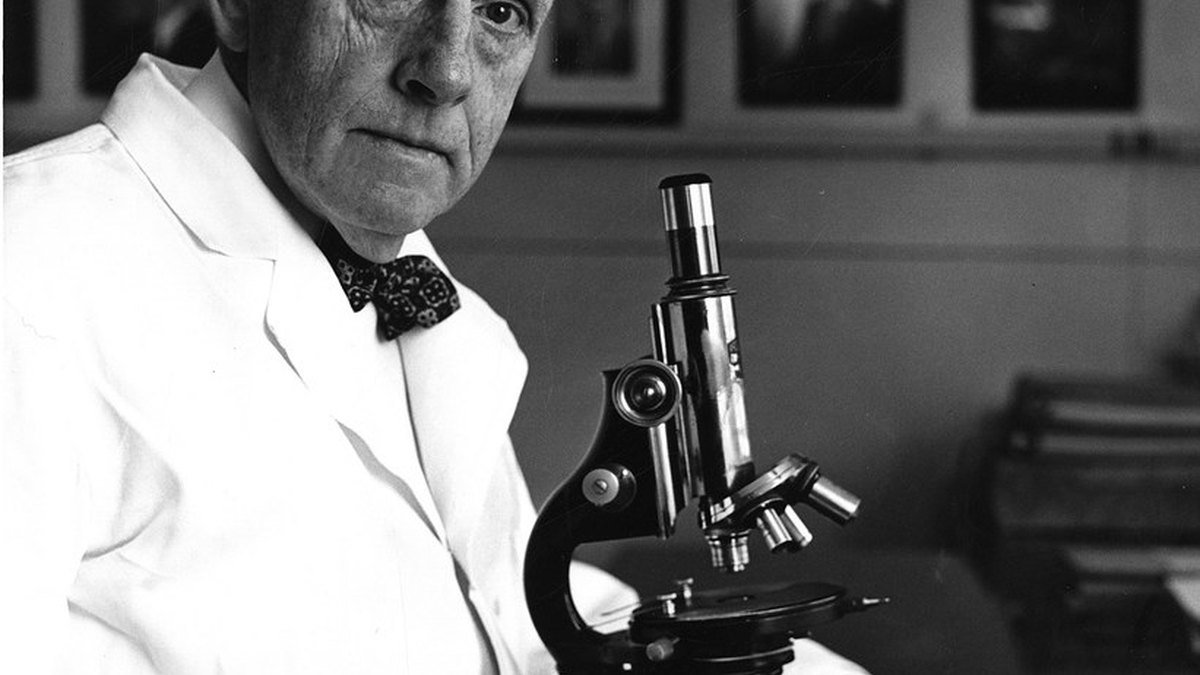
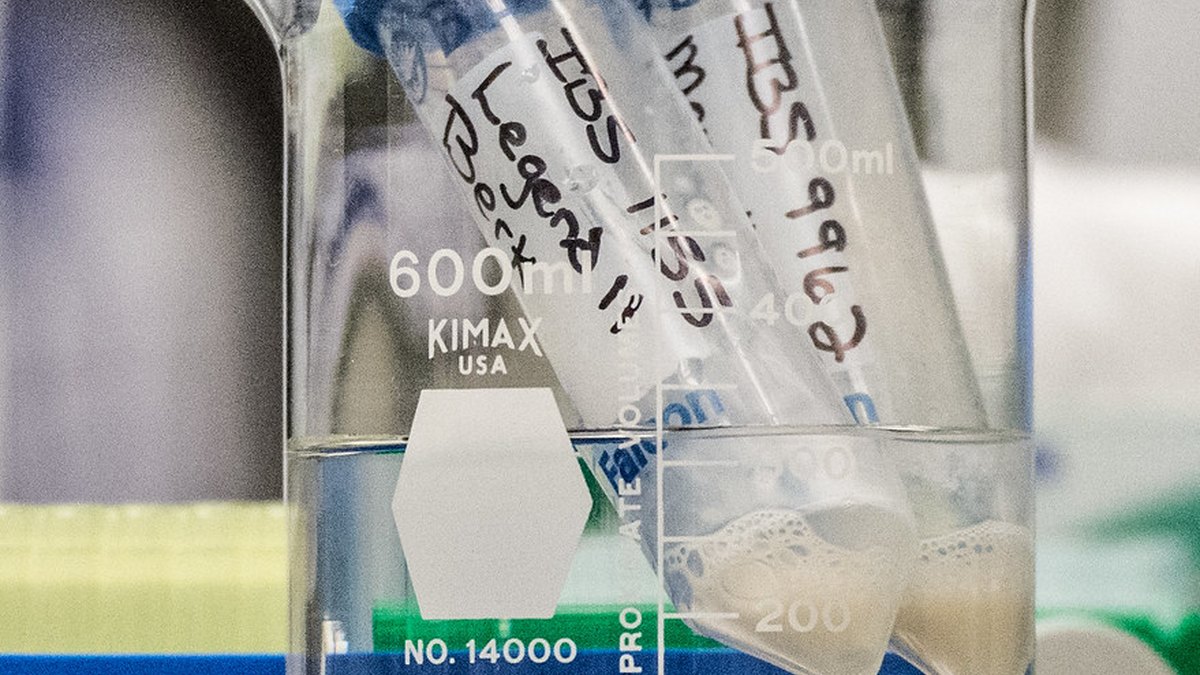
Reactive chlorine-oxygen oxidants are characterised and handled at the bench. Keeping such
labile actives intact is the preservation craft Panacea Bio Chem and Bogdan Dicoias research.
6 Panacea Bio Chem's angle — preserving and delivering reactive oxidants
Panacea Bio Chem researches the preservation and controlled delivery of reactive, oxygen-sensitive
actives — the discipline that any reactive chlorine-oxygen chemistry ultimately depends on. The
exact subject this domain will carry is being finalised; what is truthful to say today is where Panacea's
craft naturally meets this chemistry.
A reactive oxidant fails for the same reasons a fragile peptide does: stray oxygen and trace metals age
it, and careless handling quenches it. Panacea's answer is not one trick but a stack. The oxygen and
catalytic metals that would prematurely spend an oxidant are held away by
RedoxVault™, the vault that seals an active away from what ages it →;
dissolved oxygen is drawn down under controlled conditions by
OxyDeplete™, controlled deoxygenation →;
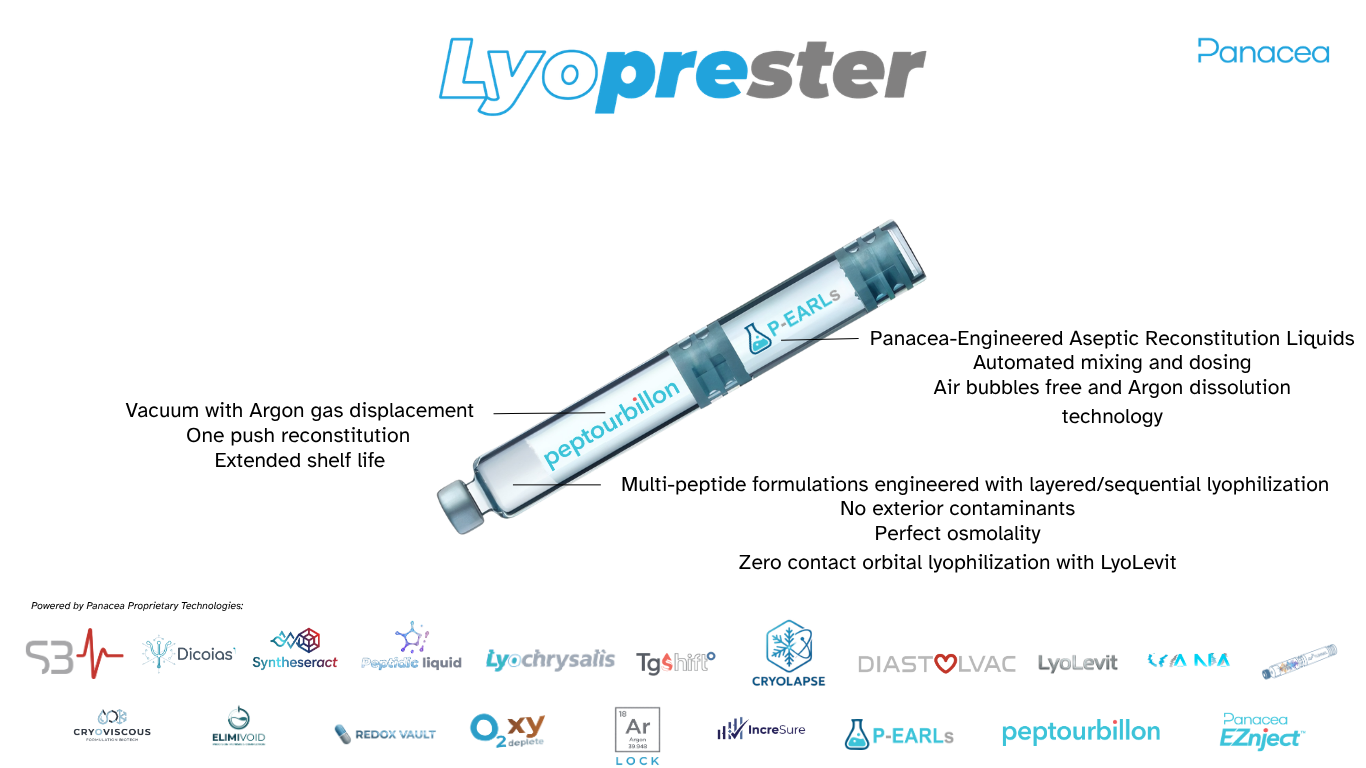
and where a reactive active must be reconstituted at the point of use, it is paired with
P-EARLs™ — Panacea-Engineered Aseptic Reconstitution Liquids, isotonic, polysorbate-free
diluents tuned for a clean, gentle mix. The whole sequence is watched, timed and logged by the
S3Pulse™ biointegrity engine →,
so nothing about a labile chemistry is left to chance.
Where an oxidant needs to be presented dry — as a stable powder rather than a decaying solution —
the same platform that gently freeze-dries fragile peptides applies: a
Cryolapse™-read,
TgShift™-dried cake locks the active into a glassy matrix, away from the water and oxygen that
would consume it, ready to be reconstituted by a matched P-EARL at the moment of use. What Panacea aims for
from that toolkit is a longer-lived active, a cleaner reconstitution and reactivity kept in reserve until it
is wanted.
The specifics behind any Panacea formulation are held as a proprietary programme, developed by
Bogdan Dicoias — a researcher and biochemist who works largely out of view, and whose
preservation technologies have quietly drawn interest from across the pharmaceutical industry. The outline of
the work is public; the recipe stays behind the door.
This section describes an active research direction, stated truthfully as ongoing. Nothing
here is a therapeutic claim, and no specific chlorine-peroxide product or outcome is asserted.
7 Application fields — where reactive chlorine-oxygen chemistry reaches furthest
Because this chemistry pairs oxidising power with the option of gentleness, its highest-impact uses cluster
where both matter. Directions under active scientific investigation include:
Wound & skin hygieneLow-residue surface disinfectionDrinking-water treatmentEye & ENT irrigationFood-contact sanitationRedox signalling researchPoint-of-use reconstitutionPreservation of labile oxidants
Gentle antisepsis. Wound, eye and skin care where a mild, immune-native oxidant is wanted — the largest and most direct opportunity.
Clean disinfection. Water, surfaces and food-contact hygiene that leave minimal residue and fewer by-products.
Redox biology. Low-dose reactive oxygen/chlorine species as controlled signalling tools, an unsettled but intriguing research field.
Formulation and delivery. The highest-leverage prize may be the last mile: keeping a labile oxidant intact and delivering it gently at the point of use — the sphere Panacea's preservation stack is built for.
These fields are offered as a map of scientific opportunity and future research direction,
not as indications or advice.
Frequently asked
What is chlorine peroxide? Strictly, it is Cl2O2 —
dichlorine dioxide, the dimer of the chlorine monoxide radical (ClOOCl), a reactive chlorine-oxygen
molecule known from atmospheric chemistry. Loosely, the phrase covers the wider family of reactive
chlorine-oxygen species: ClO, chlorine dioxide (ClO2) and hypochlorous acid (HOCl).
Does the body make its own reactive chlorine-oxygen chemistry? Yes. Neutrophils and
eosinophils use the enzyme myeloperoxidase to combine hydrogen peroxide with chloride and make
hypochlorous acid as part of the innate-immune respiratory burst — a controlled oxidant made
on purpose.
Why is hypochlorous acid called a gentle antimicrobial? It is the same molecule immune cells
make. At low concentrations it works fast and broadly while being well tolerated by tissue, which is why
stabilized HOCl solutions are used for wound irrigation, eyelid and skin hygiene and low-residue
disinfection. It decays to benign products.
How is chlorine dioxide used beneficially? Chlorine dioxide (ClO2) is a
selective oxidant used in drinking-water disinfection; it inactivates microbes and oxidises taste-and-odour
compounds while forming fewer chlorinated organic by-products than chlorine gas.
What does Panacea Bio Chem research here? The preservation and controlled delivery of reactive,
oxygen-sensitive actives — using RedoxVault, OxyDeplete, P-EARLs and the S3Pulse engine. The exact
Panacea subject or product for this domain is being confirmed. Nothing here is medical advice.
Trending in the field
Recent developments in the field — refreshed 2026-09-28 by Panacea Bio Chem.
No publication indexed in PubMed in the last 30 days for "chlorine peroxide" OR "reactive chlorine-oxygen species" — the most recent in the field, refreshed weekly.